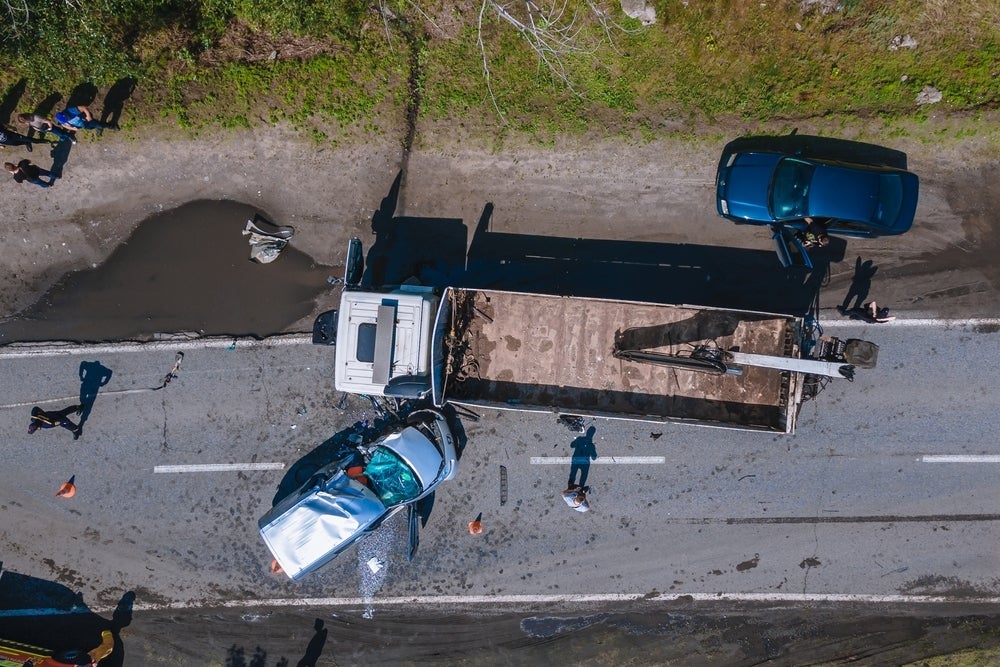
After a fatal crash, the grief is especially poignant because the death is so sudden and unexpected. It's natural to be so overwhelmed by this that thoughts of legal recourse are far from your mind. An El Paso, TX wrongful death attorney can help you decide when a lawsuit is appropriate and take on the legal tasks so you can focus on grieving and healing. When Should El Paso, TX Families Consider a Wrongful Death Lawsuit After a Fatal Crash? When another person's wrongful act, neglect, carelessness, unskillfulness, or default causes a death, the law gives certain relatives the right to bring a civil claim for actual damages. That claim is completely different from any criminal case the state may bring against the driver. The two can influence each other, but they are separate. Just because one is successful or unsuccessful does not mean the other will be the same. You should consider a lawsuit when the facts show the death would not have happened if the other person had met the duty every driver owes to other road users. Running a red light, crossing the center line, driving impaired, or failing to yield are all examples of a failure of this duty. So are commercial-truck violations or when a commercial vehicle is sent out when the driver or owner knows that it's not in a fit state. Who Can Bring a Claim? A wrongful death claim exists for the exclusive benefit of the surviving spouse, children, and parents of the person who died, and any one of those relatives may file for the benefit of all, so long as they do so within two years of their loved one's death. Filing never benefits only the person who files: any award will be shared among all surviving family in the eligible categories. Siblings, grandparents, and domestic partners who do not qualify as spouses generally cannot bring a claim or benefit from it, no matter how close the household was. If, after three months, none of the eligible family have brought a claim, then the executor of the deceased's estate can bring a claim unless all eligible relatives request that they do not. Even though it's technically the estate bringing a claim, everything recovered still goes to the surviving spouse, children, and parents. The Survival Action A survival action is a kind of companion claim to wrongful death. Essentially, this is the personal injury claim the deceased person could have brought if they had survived. Through that action, the deceased's estate can seek recompense for their medical bills, lost earnings between the time of injury and the time of death (if those did not occur on the same day), and compensation for pain suffered before dying. Call a Wrongful Death Attorney The unexpected death of a loved one is one of the hardest things anyone will ever have to deal with, but you don't have to deal with the legal aspects of this alone. Call the Labinoti Law Firm at 915-201-0132 or visit us online to set up a free consultation. We serve victims and their families across Texas and New Mexico.
How Do You Prove Negligence After an Oilfield or Refinery Explosion?
To bring a negligence claim here in El Paso, TX, you'll want the help of an oilfield injury lawyer with experience in showing all the elements of negligence: that there was a legal duty, that it was breached, and that this breach caused you damages that can be recompensed in law. How Your El Paso, TX Oilfield Injury Lawyer Will Help You Prove Negligence After an oilfield blowout or a refinery explosion, the civil case turns on four questions that your lawyer will need to help the jury understand: Did the company or contractor owe a duty to be careful? Did it fall short of that duty? Did that shortfall play a real part in causing the blast and thus the harm to you? Did you suffer actual losses? That third question can be answered either with a definitive yes, in that their negligence directly caused the accident, or it can be the proximate cause. A proximate cause simply means that the failure was a substantial factor in what happened and a careful person could have foreseen that it would cause the kind of harm it did. Your lawyer's most important job in these cases is to translate a chaotic industrial accident into those four questions and present them to the court in a compelling way. Company Duty Operators, drillers, contractors, and pipeline companies are required by law to use every possible precaution and the most current approved methods to keep oil and gas from escaping, and a refinery or process unit that holds certain listed chemicals must follow OSHA's Process Safety Management standard. Your lawyer will use all the rules as a yardstick to compare the company's actions and show where they fell short of their duty. Reconstructing Cause Just because a company was failing in a particular duty doesn't automatically mean that failure was the cause of the explosion. That has to be investigated, and site photos, damaged valves, pressure charts, work permits, contractor sign-in sheets, and witness accounts will have to be compiled and put together to tell the story. Your lawyer will likely send preservation letters to demand that evidence be kept safe and will have expert witnesses evaluate everything as needed. Deciding Who to Sue An employee of a company that carries workers' compensation usually can't sue that employer for ordinary negligence. But if other companies on the site caused the accident or contributed meaningfully to it, they can be sued. Your lawyer will sort through all the players, from the lease operator to the drilling or completion contractor, the well-control company, the refiner, the maintenance contractor, and the maker of any failed valves or sensors that contributed to the issue. Your lawyer can then help you decide what claims to bring. Proving Your Losses You'll need to show you suffered real, tangible losses, like financial losses from medical care and lost wages, physical impairment, etc. Again, your lawyer will compile the evidence needed to show all this and put it together in a compelling way to show an insurance adjuster or court what really happened and what you've lost. To get a free consultation on your case, contact the Labinoti Law Firm today in El Paso or Las Cruces, NM. We don't just represent clients: we champion people.